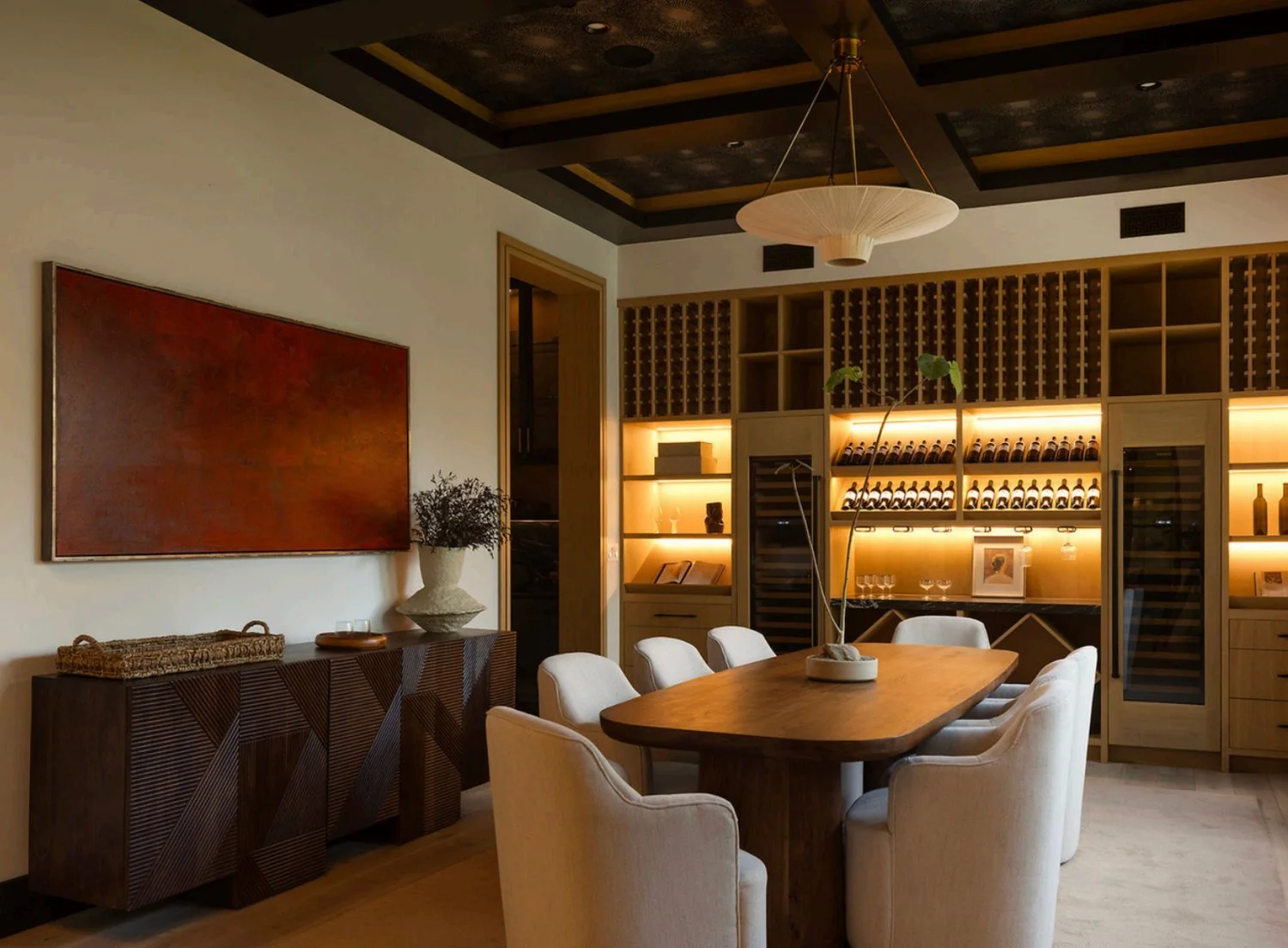
Discover why museum-quality art staging outperforms traditional home staging in the luxury real estate market. Explore data-driven insights on ROI, sale velocity, and buyer psychology across Beverly Hills, NYC, and Miami. Elevate your property from a listing to a masterpiece with The Art House Staging.
THE CURATED REAL ESTATE REVOLUTION: BEYOND THE WHITE BOX
In the ultra-high-net-worth (UHNW) real estate market, the "white box" is no longer a blank canvas; it is a liability. For years, traditional home staging has relied on a predictable formula of neutral palettes, generic furniture rentals, and "placeholder" prints intended to offend no one. But in elite markets like Beverly Hills, Aspen, and the Hamptons, "safe" is synonymous with "forgettable."
Today's discerning buyers do not just buy square footage; they buy a narrative. They are not looking for a house; they are looking for a lifestyle that reflects their cultural standing and intellectual depth. This is where art staging vs traditional staging creates a stark divide in performance. While traditional staging focuses on functionality, luxury art staging focuses on desirability, transforming a property into a curated environment that commands a premium.
THE TRADITIONAL STAGING CEILING: WHY GENERIC DECOR FALLS SHORT
Traditional staging is a logistics business. It solves the problem of scale and spatial orientation. It tells a buyer where the sofa goes and confirms that a king-sized bed fits in the primary suite. According to data from the National Association of Realtors, staging can help a home sell 73% faster. However, in the $10M+ bracket, the "utility" of traditional staging hits a ceiling.
The problem with generic staging is its invisibility. When every high-end listing in Los Angeles or Miami uses the same mid-century modern replicas and mass-produced canvas prints, the properties begin to bleed together in the buyer's mind. For the UHNW individual, a home filled with "staging art": generic abstracts or stock photography: signals a lack of authenticity. It suggests the property is a commodity rather than a rare asset.
ART STAGING: ELEVATING ASSETS INTO MASTERPIECES
Fine art staging operates on a different frequency. Instead of filling space, it curates an experience. At The Agency Art House, we treat every property as a private gallery. We integrate museum-quality works from leading contemporary artists and blue-chip masters to create an environment that feels lived-in, sophisticated, and rare.
This approach addresses the intersection of how to integrate museum-grade art with luxury real estate to maximize property value. When a prospective buyer walks into a Beverly Hills estate and sees a Picasso or a contemporary masterpiece by Moises Ortiz, the psychological math changes. The art validates the price tag. It signals that this home is a vessel for high-value assets, elevating the "perceived value" of the architecture itself.
THE QUANTIFIABLE EDGE: ROI, VELOCITY, AND PRICE PREMIUMS
While traditional staging typically yields a 5–15% return over the asking price, the ROI of high-end real estate staging with fine art is measured in both capital and time.
Dwell Time: Statistics indicate that buyers spend significantly more time in properties staged with original art. In the luxury sector, the longer a buyer remains in a home, the higher the probability of an offer. Fine art provides "visual anchors" that invite contemplation, slowing down the walkthrough and allowing the buyer to emotionally "bond" with the space.
Sale Price Premiums: In competitive markets like New York City and Palm Beach, properties featuring curated art collections often sell at the top of their price bracket. The art creates a "halo effect": if the art is museum-quality, the buyer assumes the construction, materials, and lifestyle offered by the home are of equal caliber.
Marketing Synergy: High-quality art staging produces superior architectural photography. Listings with vibrant, culturally significant artworks perform better on social media and in editorial features in publications like Architectural Digest. This increased digital reach drives more qualified traffic to the property.
GEOGRAPHIC SPECIFICITY: CURATING FOR THE LOCAL ELITE
Successful luxury art staging is not a one-size-fits-all solution. It requires a deep understanding of regional aesthetics and collector behavior.
Los Angeles & Beverly Hills: Here, the market demands "The Statement." Large-scale, vibrant contemporary works: like those by Ash Roberts: resonate with the entertainment industry's penchant for bold storytelling.
New York City: In the vertical luxury of Manhattan, art must contend with architectural constraints. Curation here often leans toward sophisticated, textured works that provide a reprieve from the urban landscape.
Miami & Palm Beach: The aesthetic is often more "high-octane." Digital art, backlit installations, and vibrant palettes reflect the energy of the coast.
Aspen & The Hamptons: These markets favor "Quiet Luxury." Think organic forms, museum-grade sculpture, and works that bridge the gap between the interior and the natural environment.
THE PSYCHOLOGY OF THE COLLECTOR-BUYER
The ultimate goal of fine art staging is to speak directly to the collector-buyer. These are individuals who already understand the primary vs. secondary market and who likely have their own art advisors.
When a collector sees a home staged with intentionality: featuring artists like Avery Wheless or Torto Lawrence: they recognize a kindred spirit. It removes the "sterile" feeling of a staged house and replaces it with the "soul" of a home. This emotional resonance is the most powerful tool in a luxury agent's arsenal. It moves the conversation from "comparable sales" to "unrepeatable opportunity."
BEYOND THE SALE: THE STRATEGIC PARTNERSHIP
At The Art House Staging, we don't just place art; we provide a strategic advantage. Our service manages the end-to-end process: from sourcing and logistics to installation and insurance. This seamless integration allows real estate professionals and developers to focus on the deal while we handle the cultural positioning of the asset.
Furthermore, we often facilitate the sale of the artwork alongside the property. It is a frequent occurrence that a buyer, enamored with the curated environment, chooses to acquire the collection as part of the real estate transaction. This creates a "turnkey" luxury lifestyle that is highly coveted in the modern market.
CONCLUSION: THE FUTURE OF LUXURY LISTINGS
As the global real estate market becomes increasingly sophisticated, the line between "home" and "gallery" will continue to blur. Traditional staging will always have its place in the mid-market, but for properties that define the skyline or the coastline, only luxury art staging provides the necessary ROI and cultural cachet.
Elevate your next listing. Move beyond the generic and embrace the curated.
Follow us on Instagram for daily inspiration: @luxuryartstaging
Best,
Arushi