By Arushi Kapoor, Founder, Art House Staging
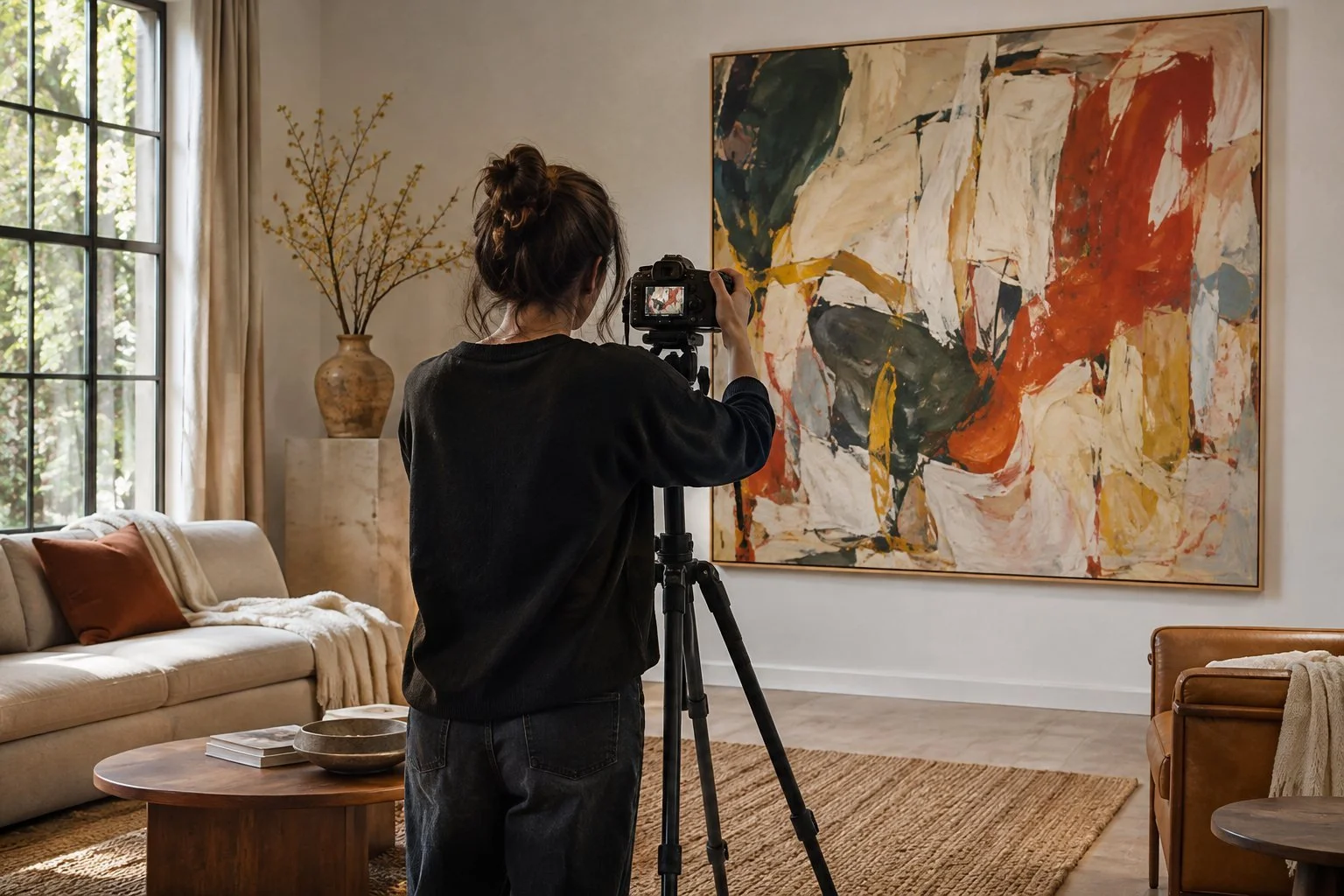
Use real art and honest photographs when presenting a luxury listing. A staged room should show the artwork and finishes visitors can encounter in person, while any digital changes should be reviewed and disclosed according to the listing team's approved practice.
The research brief notes concern about AI-generated imagery in luxury listings being misleading, and identifies real, photographed staging with real art as a trust signal. It gives no legal rule for image disclosure, so this article treats transparency as good practice and leaves legal requirements to qualified local counsel or the applicable listing platform.
Key takeaways
Photograph the actual staged room and the real artwork installed for the listing.
Do not use generated art or altered finishes to imply features that are not present.
Keep a clear record of photography edits and confirm disclosure expectations with the listing team.
Check that the art shown online remains in place for showings or update the images promptly.
Why image accuracy matters to art staging
A listing photograph helps a prospective buyer decide what to examine in person. When a room contains art, the image also communicates scale, color and the relationship between the work and the architecture. If the artwork is generated, digitally substituted or placed into the image without being in the home, the photograph can suggest a viewing experience that the property cannot provide. The concern identified in the brief is practical: misleading imagery may weaken trust before a buyer has even entered the room.
Real art can function as a focal point in a staged home, and the brief describes real, photographed staging as a trust signal amid concern over AI-generated listing images. That does not make every photograph automatically accurate. Camera angle, cropping, lighting, retouching and the timing of a furniture or artwork change can all affect what the image communicates. The team should therefore review the whole presentation, not only whether the artwork itself is real. Ask whether the final image represents what a visitor can reasonably expect to see.
Plan the real room before the photographer arrives
Write down the art placement for each photographed room, including dimensions, wall or floor location and any planned temporary pieces. Confirm that the artwork is in place before the shoot and that the person handling it has approval to install it. Give the photographer a room brief: the intended focal point, architectural details that must remain visible and views that should not be blocked. This makes the creative direction explicit and gives the agent a clear standard for checking the resulting images.
Walk through the camera frame before the formal shoot. A painting may be physically present but clipped by the edge of the frame or partially hidden by a lamp. A sculpture may appear to float if its support is cropped out. Correct the staging or choose another angle rather than using digital additions to solve a room-layout problem. Photograph the same arrangement the showing team will maintain, and note any temporary object that will be removed before prospective buyers visit.
Set a clear boundary for digital edits
Agree on image-editing boundaries with the agent, photographer and broker before work begins. Routine color and exposure adjustments may be part of a team's normal workflow, but the brief does not define an industry standard or a legal threshold. Treat changes to artwork, furniture, room dimensions, views or finishes as substantive and route them for explicit review. The goal is to avoid an image that presents generated or altered elements as physical features of the property. When uncertain, use the original image or a clearly labeled concept image rather than leaving the status ambiguous.
Keep original photographs and edited versions together with a short change log. Record which room appears in each image, the date it was taken and whether any staged artwork or furniture has changed since the shoot. If a generated visualization is used for planning, separate it from photographs of the actual listing in the team's file and presentation. Before publication, ask someone who did not make the edits to compare each image with the property. A fresh review can spot a visual mismatch that seems normal to the person who has been working on the images.
Check the art, room and image as one package
Review the final images alongside a current walkthrough or room photographs. Confirm that the artwork is the same work, on the same wall and presented at a credible scale. Check whether shadows, reflections or color have been altered enough to change the impression of the room. Look for missing supports or inconsistent details around a work, such as a frame edge that does not align with the wall. If the picture suggests a different placement from the one a visitor will see, correct the image or update the physical setup before publication.
Also compare the words in the listing with the images. If art is included only for staging and will not remain after sale, make the listing description clear about what is included, using the team's standard process. If a photograph shows a temporary display that has since been removed, either reinstall it for showings or replace the image. The right choice depends on the listing plan, but leaving the discrepancy unaddressed creates confusion for agents and visitors. A simple image-to-room checklist can keep the art, copy and showing setup aligned.
Make disclosure a team decision, not a guess
The angle in the plan asks for disclosure norms to be described as general good practice, not law unless verified. Follow that instruction. Ask the broker and listing platform what image labeling and disclosure steps they require, and consult qualified legal counsel if the team needs a legal interpretation. Do not state that a particular treatment is legally required or universally accepted based on this article. When an image is illustrative rather than a photograph of the actual property, label it in a way the audience can understand and do not mix it into a gallery that implies every image documents the home as it stands.
A written process can be concise: identify the image source, record material edits, flag visualizations, confirm the room matches the current showing setup and name the person who approves publication. Share the process with anyone who handles listing updates. If the art is changed after publication, assign one person to review all relevant photographs and descriptions. Keeping responsibility clear is especially useful when the listing team, staging team and photographer work on different schedules. It turns an abstract commitment to transparency into a check that can be completed before a buyer sees the page.
Keep the in-person experience consistent
Before each major showing period, check whether the art shown online is still installed and whether the room is in comparable condition. If access, maintenance or a staging change removes a work, update the presentation plan and tell the agent. Do not leave the listing gallery to imply that an absent artwork or altered room remains available. This check matters even when no AI image was used; a genuine photograph can become misleading when the property changes after the shoot.
The National Association of Realtors' Profile of Home Staging and the Art Basel and UBS 2026 market report are listed sources for staging and market context. For adjacent planning, see staging art for listing photography and art staging insurance. The article does not establish legal disclosure rules. It offers a concrete editorial standard: show the home and art as they exist, identify illustrative material clearly and keep online images aligned with the actual showing experience.
Common questions
Can AI-generated artwork be used in a real estate listing photo?
The brief flags concern about AI-generated imagery being misleading. For a photograph presented as the actual home, use art that is physically staged there and follow the broker's and platform's image rules.
Do real estate listing images need an AI disclosure?
This brief does not establish legal disclosure requirements. Confirm current rules with the broker, listing platform and qualified legal counsel, and label illustrative images clearly as good practice.
What if staged art is removed after the listing photo shoot?
Reinstall it for showings or update the listing images and copy. Keep the online presentation consistent with what visitors will see in the property.
Sources
Art Basel: Art Basel and UBS Global Art Market Report 2026: Art Market Trends
Art Basel: Art Basel and UBS Survey of Global Collecting 2026
Related reading
About the author
Arushi Kapoor is the founder of Art House Staging and The Agency Art House. Her team places gallery-quality art in luxury listings, model units and new developments for agents and developers in Los Angeles, Miami, New York and Seattle. She was named to the Forbes 30 Under 30 list in Art & Style.